Despite the increasing digitization of business operations, many organizations still contend with substantial volumes of paper documents, including contracts, invoices, historical records, medical files, and legal documents. These physical archives present significant challenges in terms of storage, accessibility, and long-term preservation. Document digitization, combined with skilled data entry services, offers a solution that transforms these paper-based archives into searchable, secure, and easily accessible digital records.
This article explores what document digitization and data entry services involve, the benefits they offer, and the key considerations businesses should keep in mind when undertaking a digitization project.
What Document Digitization Involves
Document digitization is the process of converting physical, paper-based documents into digital formats. This typically begins with scanning documents using high-quality scanners to create digital images, followed by data entry or optical character recognition (OCR) processes that extract the text and information contained within these documents into searchable, structured formats.
The end result is a digital archive that preserves the content of the original documents while making them significantly easier to search, share, store, and protect compared to their physical counterparts.
The Role of Data Entry in the Digitization Process
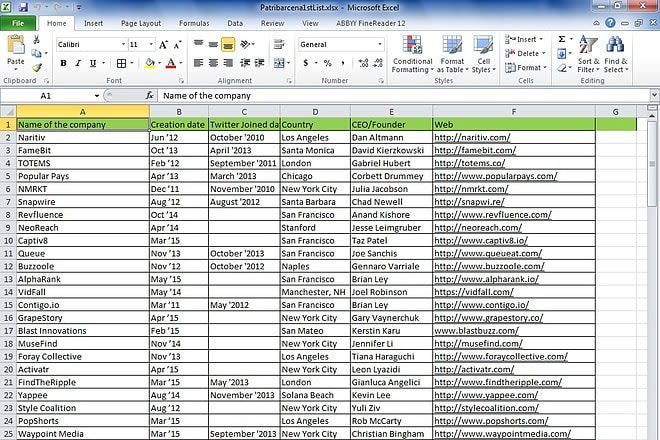
While scanning creates a digital image of a document, this image alone is often not enough to make the information truly useful. Data entry plays a critical role in extracting key information from scanned documents and entering it into structured databases or document management systems. This might include entering invoice numbers, dates, amounts, and vendor names from scanned invoices, or extracting patient names, dates of birth, and medical record numbers from scanned health records.
This structured data entry transforms a simple digital image into a searchable, actionable data asset that can be integrated with other business systems, queried for specific information, and used to support broader data analysis efforts.
Why Businesses Pursue Document Digitization
Businesses undertake document digitization projects for a variety of reasons, including reducing physical storage costs, improving document retrieval times, protecting against the loss or damage of important records, and supporting compliance with regulatory requirements that mandate secure record retention.
Digitization also supports broader business continuity planning, as digital records can be backed up and stored securely off-site, protecting against the risk of losing critical business information due to fire, flooding, or other physical disasters that could destroy paper archives.
Improving Accessibility and Searchability
One of the most significant benefits of document digitization is the dramatic improvement in accessibility and searchability compared to physical archives. Finding a specific document within a large filing system can take significant time and effort, particularly if the filing system is not perfectly organized or if multiple people need access to the same physical documents simultaneously.
Digitized documents, particularly when combined with accurate data entry that captures key metadata, can be searched instantly using keywords, dates, or other identifying information. This dramatically reduces the time employees spend searching for documents and allows multiple team members to access the same document simultaneously without the delays associated with physical document sharing.
Supporting Regulatory Compliance and Record Retention
Many industries face strict regulatory requirements regarding document retention and accessibility, including healthcare, finance, and legal services. Document digitization, supported by accurate data entry, helps businesses meet these requirements by creating organized, easily retrievable digital archives that can be quickly accessed during audits or legal proceedings.
Digitized records also make it easier to enforce retention schedules, automatically flagging documents that have reached the end of their required retention period and need to be archived or securely destroyed in accordance with regulatory requirements.
Reducing Physical Storage Costs
Maintaining physical document archives requires significant space, whether in on-site filing cabinets or off-site storage facilities. As businesses accumulate documents over the years, these storage costs can become substantial. Document digitization allows businesses to significantly reduce their physical storage footprint, freeing up office space and reducing ongoing storage expenses.
While the digitization process itself requires an upfront investment, many businesses find that the long-term savings in storage costs, combined with the efficiency gains from improved document accessibility, provide a strong return on investment.
Enhancing Document Security
Physical documents are vulnerable to a range of security risks, including theft, unauthorized access, and physical damage from fire or water. Digitized documents, when properly secured, offer significantly enhanced protection through features such as encrypted storage, access controls that limit who can view or edit specific documents, and detailed audit logs that track who has accessed particular records.
This enhanced security is particularly important for businesses handling sensitive information, such as financial records, medical files, or legal documents, where unauthorized access could have serious legal or financial consequences.
The Document Digitization Workflow
A typical document digitization project follows a structured workflow, beginning with document preparation, where physical documents are sorted, organized, and prepared for scanning by removing staples, repairing damaged pages, and organizing documents in a logical sequence. This is followed by the scanning process itself, where documents are converted into digital images using specialized scanning equipment.
After scanning, data entry professionals review the digital images, often supported by OCR technology, to extract and verify key information before entering it into the appropriate database or document management system. The final steps typically involve quality control checks to verify accuracy and the proper indexing and categorization of documents to ensure they can be easily located within the digital archive.
Handling Different Document Types
Different types of documents present unique challenges during the digitization process. Handwritten documents, for example, often cannot be reliably processed using OCR technology alone and require manual data entry to accurately capture the information. Historical documents may be fragile or damaged, requiring careful handling during the scanning process to avoid further deterioration.
Specialized documents, such as medical records or legal contracts, often contain industry-specific terminology and formatting that data entry professionals need to understand in order to accurately extract and categorize the relevant information.
Quality Control in Digitization Projects
Given the volume of documents often involved in digitization projects, maintaining consistent quality control is essential. This typically involves verifying that scanned images are clear and legible, checking that extracted data accurately matches the original documents, and ensuring that documents are properly categorized and indexed within the digital system.
Random sampling and double-entry verification are common quality control techniques used to catch errors before they become embedded in the final digital archive, particularly for documents containing critical information such as financial figures or legal terms.
Choosing a Document Digitization and Data Entry Provider
When selecting a provider for document digitization and data entry services, businesses should evaluate the provider’s experience with similar document types, their data security measures, their quality control processes, and their ability to handle the volume of documents involved in the project.
It is also important to discuss the specific output format required, whether documents need to be indexed within an existing document management system, integrated with other business software, or simply provided as organized digital files with accompanying metadata.
Planning a Large-Scale Digitization Project
Undertaking a large-scale document digitization project requires careful planning to avoid the process becoming overwhelming or disorganized. Businesses should begin by conducting an inventory of existing physical documents, categorizing them by type, priority, and sensitivity. This inventory helps determine which documents should be digitized first, often prioritizing frequently accessed records or those at greatest risk of damage or loss.
It is also important to establish a clear naming and filing convention before digitization begins, ensuring that once documents are converted into digital form, they can be easily located within the new system. Businesses that skip this planning step often find themselves with a large volume of digitized documents that are difficult to search or organize effectively, undermining much of the value the digitization project was meant to deliver. Setting realistic timelines that account for the volume of documents involved, along with appropriate quality control checkpoints throughout the project, helps ensure the digitization effort delivers a genuinely useful, well-organized digital archive.
Integrating Digitized Records with Existing Business Systems
The value of a digitization project is significantly enhanced when the resulting digital records can be integrated with existing business systems, such as customer relationship management platforms, accounting software, or enterprise content management systems. This integration allows digitized documents to be accessed directly from within the context where they are needed, rather than requiring staff to search a separate archive system.
Achieving this level of integration typically requires careful attention to data formatting and metadata standards during the data entry phase of the digitization process, ensuring that key identifying information, such as customer names, account numbers, or document dates, is captured in a format compatible with the destination systems. Businesses planning a digitization project should discuss these integration requirements with their provider early in the process, as retrofitting integration after the fact is often far more time-consuming and costly than planning for it from the outset.
Environmental and Space Benefits Beyond Cost Savings
While much of the conversation around document digitization focuses on efficiency and cost, there are additional benefits worth considering. Reducing reliance on paper records supports broader sustainability goals that many organizations are increasingly prioritizing as part of their corporate responsibility initiatives. Fewer printed documents also means less consumption of paper, ink, and physical storage materials over time.
The space reclaimed from eliminating filing cabinets and storage rooms can often be repurposed for more productive uses, whether that means additional workstations, meeting spaces, or simply a more organized and pleasant office environment. For organizations operating in expensive commercial real estate markets, the value of this reclaimed space can represent a meaningful, if sometimes overlooked, financial benefit that adds to the overall return on investment of a digitization project.
Final Thoughts
Document digitization and data entry services offer businesses a powerful way to transform unwieldy paper archives into secure, searchable, and easily accessible digital assets. By combining high-quality scanning with accurate, structured data entry, businesses can significantly improve document accessibility, reduce storage costs, enhance security, and support regulatory compliance. As organizations continue to prioritize digital transformation, document digitization remains a foundational step in modernizing business operations and ensuring that critical information remains protected, organized, and readily available whenever it is needed.