Every website you’ve ever visited is powered by two distinct layers working together behind the scenes. One layer is what you see and interact with directly — the buttons, images, menus, and text on the page. The other is invisible, running quietly on servers, handling data, logic, and everything that makes the visible parts actually function. These two layers are known as the frontend and the backend, and understanding the difference between them is one of the most fundamental building blocks for anyone trying to understand how websites work.
Whether you’re a business owner planning a website project, someone considering a career in tech, or simply curious about how the internet functions, this guide will walk you through what frontend and backend development actually mean, how they differ, and how they come together to create the websites and applications we use every day.
What Is Frontend Development?
Frontend development refers to everything a user directly sees and interacts with in their web browser. It’s sometimes called “client-side” development because it runs on the client — meaning the user’s own device, whether that’s a laptop, tablet, or smartphone — rather than on a remote server.
When you visit a website and see a navigation menu, scroll through a photo gallery, click a button that changes color, or fill out a search bar that suggests results as you type, you’re interacting with frontend code. Frontend developers are responsible for translating a designer’s visual mockup into a functioning, interactive webpage.
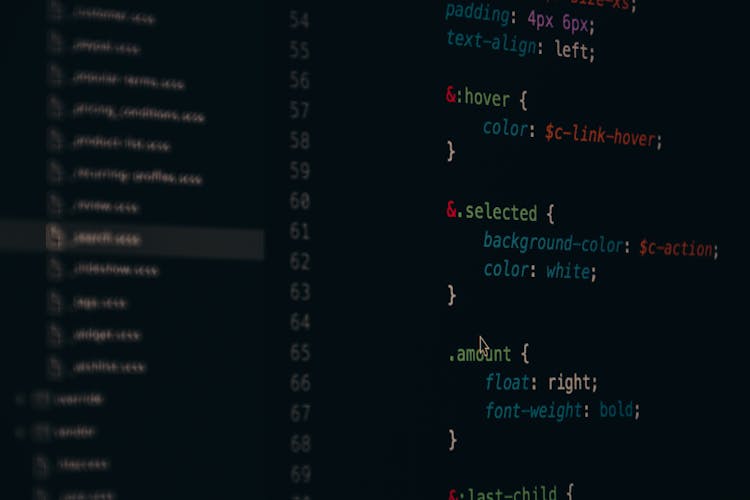
Three core technologies form the foundation of nearly all frontend development. HTML (HyperText Markup Language) provides the basic structure and content of a webpage — headings, paragraphs, images, links, and forms. CSS (Cascading Style Sheets) controls the visual presentation — colors, fonts, spacing, layout, and how elements are arranged on the screen. JavaScript adds interactivity and dynamic behavior — things like dropdown menus that open on click, sliders that auto-advance, forms that validate input in real time, and content that updates without requiring a full page reload.
Beyond these fundamentals, most modern frontend developers also work with frameworks and libraries that make building complex interfaces more efficient. Tools like React, Vue, and Angular allow developers to build reusable components and manage more sophisticated, app-like experiences directly in the browser. These frameworks have become especially important as websites have evolved from simple static pages into rich, interactive applications.
Frontend developers also need a strong understanding of responsive design — ensuring a website looks and functions well across an enormous range of screen sizes, from large desktop monitors to small mobile phones. With the majority of web traffic now coming from mobile devices, responsive frontend development isn’t optional; it’s essential.
What Is Backend Development?
Backend development refers to everything happening on the server side — the parts of a website that users never see directly but that make the visible frontend actually work. If frontend development is the stage that an audience watches, backend development is everything happening behind the curtain: the wiring, the machinery, and the systems coordinating the entire performance.
When you log into a website, submit a form, make an online purchase, or search for a product and see relevant results appear, backend systems are doing the heavy lifting. The backend typically consists of three key components: a server, an application, and a database.
The server is the computer that receives requests from a user’s browser (via the frontend) and sends back the appropriate response. The application is the code running on that server, containing the logic that determines what should happen with each request — for example, checking whether a submitted password matches what’s stored, or calculating the total price of items in a shopping cart. The database is where information is stored and retrieved — user accounts, product listings, blog posts, order histories, and virtually any data that needs to persist beyond a single page visit.
Backend developers work with server-side programming languages such as Python, PHP, Ruby, Java, and Node.js (which allows JavaScript to run on the server as well as the browser). They also work extensively with database management systems like MySQL, PostgreSQL, and MongoDB, writing queries to store, retrieve, update, and delete data efficiently and securely.
Backend development also encompasses server configuration, application programming interfaces (APIs) that allow different software systems to communicate with each other, authentication and authorization systems that manage user logins and permissions, and the overall architecture that determines how well a website performs under heavy traffic.
How Frontend and Backend Work Together
Neither the frontend nor the backend can function meaningfully on its own — they depend entirely on each other to create a working website. Consider a simple example: submitting a contact form on a business website.
When a visitor fills out the form and clicks “submit,” the frontend code captures that input and sends it to the backend, typically through an API request. The backend then processes that data — perhaps validating that all required fields were filled in correctly, saving the message to a database, and triggering an email notification to the business owner. Once processing is complete, the backend sends a response back to the frontend, which then displays a confirmation message to the user, like “Thank you, your message has been sent.”
This back-and-forth communication happens constantly and often within a fraction of a second, even though it involves multiple distinct systems working in coordination. Every time you see a loading spinner, submit a form, log into an account, or watch content update dynamically without a full page reload, you’re witnessing frontend and backend systems communicating in real time.
Key Differences Between Frontend and Backend
While both fall under the broader umbrella of web development, frontend and backend work differ substantially in focus, tools, and required expertise.
Frontend development is primarily concerned with the user-facing experience — how a website looks, how intuitive it feels to navigate, and how responsive it is to user interaction. Backend development is primarily concerned with logic, data, and infrastructure — how information is stored, processed, secured, and delivered efficiently.
Frontend code runs in the user’s browser, meaning it’s technically visible and can be inspected by anyone using browser developer tools. Backend code runs on a remote server and remains hidden from end users entirely, which is part of why sensitive operations like password verification and payment processing must happen on the backend rather than the frontend.
The skill sets required also diverge. Frontend developers need a strong sense of visual design principles, user experience, and cross-browser and cross-device compatibility. Backend developers need strong skills in database design, server architecture, security practices, and efficient algorithm design, since backend systems often need to handle large volumes of data and traffic reliably.
What Is a Full-Stack Developer?
You’ll often come across the term “full-stack developer” when researching web development. A full-stack developer is someone comfortable working across both frontend and backend development, capable of building a complete web application from the user interface down to the database.
Full-stack developers are especially valuable for smaller businesses and startups, where hiring separate frontend and backend specialists may not be financially practical. A single full-stack developer (or a small full-stack team) can handle an entire website project, from designing interactive interfaces to setting up databases and server logic.
That said, full-stack developers often have a stronger specialty in one area over the other, since truly mastering both frontend and backend technologies to an expert level takes significant time and experience. For larger, more complex projects, having dedicated frontend and backend specialists collaborating together often produces stronger, more polished, and more scalable results.
Why This Distinction Matters for Business Owners
If you’re planning a website or web application for your business, understanding the frontend-backend distinction helps you scope your project accurately and communicate more effectively with developers or agencies.
A simple brochure-style website with a handful of static pages may require minimal backend work — mostly just a contact form and maybe a blog. But a website with user accounts, an online store, a booking system, or personalized content recommendations requires substantial backend infrastructure to manage that data securely and reliably.
Knowing this distinction also helps you ask better questions during the hiring process. If a developer describes themselves as a frontend specialist, they’ll likely excel at building a visually polished, responsive, interactive site — but may need a backend specialist (or a backend-as-a-service platform) to handle more complex data and logic requirements. Conversely, a backend-focused developer may build powerful, reliable systems but might benefit from design or frontend support to ensure the final product looks and feels professional.
Common Tools and Technologies at a Glance
On the frontend side, beyond HTML, CSS, and JavaScript, you’ll frequently encounter frameworks like React, Vue.js, and Angular, along with CSS frameworks like Tailwind CSS and Bootstrap that speed up styling work. Build tools like Webpack and Vite help optimize and bundle frontend code for production use.
On the backend side, common programming languages include Python (often paired with frameworks like Django or Flask), JavaScript via Node.js (often paired with Express), PHP (frequently used with Laravel), and Ruby (commonly paired with Ruby on Rails). Databases range from traditional relational systems like MySQL and PostgreSQL to more flexible NoSQL databases like MongoDB, chosen based on the specific needs of the application.
Career Paths in Frontend and Backend Development
For anyone considering a career in web development, understanding the frontend-backend distinction also matters when it comes to choosing a specialization. Frontend development tends to attract people who enjoy visual problem-solving, have an eye for design, and like seeing the immediate, tangible results of their work rendered directly in a browser. Because frontend technologies and frameworks evolve quickly, frontend developers also need to stay comfortable with continuous learning, as new tools and best practices emerge on a fairly regular basis.
Backend development tends to attract people who enjoy logical problem-solving, systems thinking, and working with data structures and architecture. Backend roles often involve deeper work with algorithms, database design, and security considerations, and the underlying principles tend to remain more stable over time compared to the faster-moving frontend landscape, even as specific tools and languages continue to evolve.
Many developers find that they naturally gravitate toward one side or the other based on these differing skill emphases, while others enjoy the variety and completeness of working across the full stack. Neither path is inherently more valuable than the other — both are essential, well-compensated, and in consistent demand across the technology industry, and many successful development careers involve moving fluidly between frontend, backend, and full-stack roles over time as interests and opportunities evolve.
For business owners hiring developers, this also means that a resume or portfolio heavy in frontend projects doesn’t necessarily indicate strong backend capability, and vice versa. Taking the time to understand a candidate’s actual area of expertise, rather than assuming any “developer” is equally capable across both domains, leads to better hiring decisions and more realistic project expectations.
Final Thoughts
Frontend and backend development represent two essential, complementary halves of every functional website. The frontend shapes what users see and how they interact with a site, while the backend powers the logic, data, and infrastructure that make those interactions actually work. Neither can deliver a complete, functional website alone — they depend on constant, seamless communication with each other.
For business owners, understanding this distinction isn’t just a technical curiosity — it’s practical knowledge that helps you plan projects realistically, hire the right talent, and have more productive conversations with the developers building your digital presence. Whether your next website project needs primarily frontend polish, robust backend infrastructure, or a thoughtful combination of both, primarily knowing the difference puts you in a much stronger position to get the result you actually need.