When it’s time to build a website, one of the earliest and most consequential forks in the road is deciding between a fully custom design, built from the ground up around your specific brand and needs, or a pre-made template, adapted and populated with your content. Both paths can result in a perfectly functional, professional-looking website — but they differ substantially in cost, timeline, flexibility, and long-term suitability, and the right choice genuinely depends on your specific business situation rather than one option being universally superior.
This guide breaks down what each approach actually involves, the real trade-offs between them, and a practical framework for deciding which path makes more sense for your business right now.
What Website Templates Actually Are
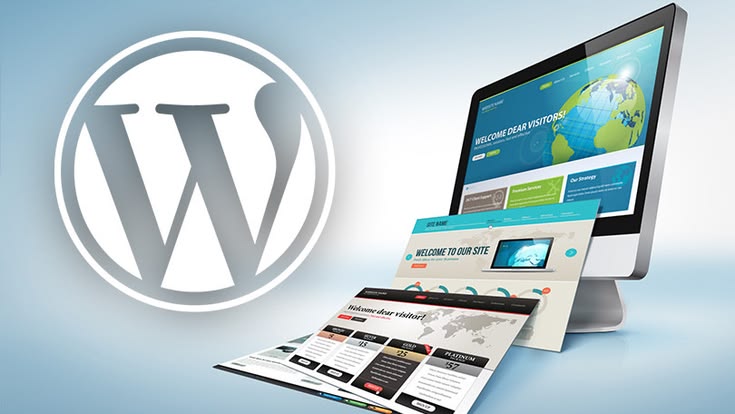
A website template is a pre-designed layout — created once by a designer or design team and then made available for many different businesses to purchase, adapt, and populate with their own content. Templates typically come with a set structure (a homepage layout, service page layout, contact page layout, and so on), a defined color scheme and typography system that can usually be customized to some degree, and built-in functionality appropriate to the template’s intended use case, such as e-commerce features or a blog structure.
Templates are widely available through website builders and content management system marketplaces, spanning an enormous range of industries, styles, and price points, from free options to premium templates with more sophisticated design and functionality.
What Custom Web Design Actually Involves
Custom web design starts from a blank page rather than an existing template, with a designer creating a layout, visual identity, and user experience specifically for your business — informed by your brand, your specific goals, your target customers, and your particular content and functionality needs, rather than adapted from a generic starting point built for a broad range of unrelated businesses.
This process typically involves more extensive discovery and planning, since there’s no existing structure to lean on, along with iterative design review and refinement before development begins. The result is a website built specifically around your business, rather than your business adapted to fit an existing structure.
Cost Differences
Templates are almost always less expensive upfront, since the core design work has already been completed and is being reused across many customers rather than built specifically for one. Costs typically involve the template purchase price itself (sometimes free, sometimes a modest one-time fee), plus whatever customization and content population work is needed to make it genuinely fit your business.
Custom design carries a higher upfront investment, since a designer is creating original work specifically for your business rather than adapting something that already exists. This cost difference can be substantial, particularly for smaller businesses with modest budgets, and it’s often the single biggest factor driving businesses toward templates, at least for an initial website.
It’s worth noting, though, that the cost comparison isn’t always as simple as it first appears. Templates that require significant customization to genuinely fit a business’s needs — extensive layout changes, custom functionality not natively supported, substantial rework to escape a generic look — can sometimes end up costing nearly as much as a custom build once all the additional work is accounted for, while delivering a less cohesive final result.
Timeline Differences
Templates generally offer a significantly faster path to launch, since the core design and layout work is already complete, leaving primarily content population and lighter customization to be done. A straightforward template-based site can often go from start to launch in a matter of days to a few weeks, depending on content readiness.
Custom design takes meaningfully longer, since it requires the full discovery, design, and iterative review process before development even begins. A custom site typically takes several weeks to a few months, depending on complexity — a longer timeline that’s the direct trade-off for a website built specifically around your particular needs rather than adapted from something generic.
Uniqueness and Brand Differentiation
This is often where the gap between templates and custom design becomes most apparent, and most consequential for certain businesses. Templates, by their very nature, are used by many different businesses, sometimes even direct competitors within the same industry. A popular template can end up looking recognizably similar across dozens or hundreds of different websites, undermining the sense that your business has a distinct, memorable visual identity.
Custom design avoids this entirely, since the resulting website exists nowhere else — every layout decision, visual choice, and interaction pattern is built specifically to represent your particular brand. For businesses where visual differentiation is a meaningful competitive factor — creative industries, premium or luxury positioning, businesses actively trying to stand out in a crowded market — this uniqueness can carry real strategic value that goes beyond simple aesthetics.
For other businesses, particularly those where the website’s primary job is straightforward information delivery rather than brand differentiation, this uniqueness gap matters considerably less, and a well-chosen, well-customized template can perform the necessary function perfectly well.
Flexibility and Scalability
Templates come with inherent structural constraints, since they’re built to accommodate a broad range of different businesses rather than any one business’s specific needs. This can create friction when a business’s requirements don’t neatly match the template’s built-in assumptions — an unusual page structure, a specific piece of functionality the template wasn’t designed to support, or a particular user flow that doesn’t fit the template’s standard pattern.
Custom design, built around your actual requirements from the outset, generally offers considerably more flexibility to accommodate exactly what your business needs, both at launch and as those needs evolve over time. This flexibility becomes particularly valuable for businesses with more complex or specialized functionality requirements, where forcing those needs into a generic template’s constraints can produce an awkward, compromised result.
Performance and Technical Quality
This factor varies considerably and doesn’t consistently favor either approach. Well-built, reputable templates from established sources are often technically solid, reasonably fast, and well-coded, particularly premium templates from established marketplaces with quality standards. Poorly built templates, on the other hand — especially free or very low-cost ones — can carry bloated, inefficient code that hurts load speed and, in some cases, introduces security vulnerabilities.
Custom design’s technical quality depends entirely on the skill of the developer building it, meaning a poorly executed custom site can actually underperform a well-built template, while a well-executed custom site can outperform virtually any template due to code built specifically and efficiently for the site’s actual needs, without unnecessary bloat from unused template features.
Ease of Future Updates
Templates, particularly popular ones built on widely used content management systems, often benefit from broad community support, extensive documentation, and straightforward compatibility with common plugins and integrations, making certain kinds of future updates relatively easy even for less technical users.
Custom sites can be updated just as effectively, but future changes generally require the involvement of a developer familiar with the site’s specific, unique codebase, rather than someone who’s simply familiar with a widely used template system. This isn’t necessarily a disadvantage, but it does mean ongoing maintenance and updates are somewhat more dependent on maintaining a relationship with a specific developer or agency, rather than being able to draw on a broad, generic pool of template-familiar talent.
Which Businesses Are Better Served by Templates
Templates tend to make the most sense for early-stage businesses and startups working with limited budgets, where getting a functional, professional-looking website live quickly matters more than maximum uniqueness. They also suit businesses with fairly standard, well-understood needs — a straightforward service business, a simple blog, a basic portfolio — where a template’s built-in structure closely matches what the business actually requires without much adaptation.
Businesses testing a new product, service, or market before committing to a larger investment often benefit from a template’s speed and lower cost as well, since it allows them to establish a working web presence without over-investing before the business direction is fully validated.
Which Businesses Are Better Served by Custom Design
Custom design tends to make more sense for established businesses with a well-defined brand identity that a generic template genuinely couldn’t represent well, or businesses in competitive, visually driven industries where standing out meaningfully matters to the bottom line. It’s also the better fit for businesses with specific, non-standard functionality requirements that templates aren’t well suited to accommodate without significant, costly workarounds.
Businesses planning significant future growth or evolving functionality needs often benefit from custom design’s greater underlying flexibility as well, since building on a foundation designed around genuine future scalability, rather than a template’s inherent structural constraints, tends to age better as the business’s needs grow more complex over time.
A Middle Ground Worth Considering
It’s worth noting that the choice isn’t strictly binary. Many businesses find real value in starting with a well-chosen, thoughtfully customized template — going well beyond simply swapping in a logo and colors, but genuinely adapting layout, imagery, and content to feel distinctly branded — as a cost-effective middle ground. This approach can deliver much of custom design’s brand differentiation at a fraction of the cost and timeline, provided enough genuine customization effort goes in rather than leaving the template largely generic.
Final Thoughts
Neither custom design nor templates are universally right — the better choice depends on your budget, timeline, brand differentiation needs, and the complexity of what your website actually needs to do. Templates offer speed and affordability with some sacrifice in uniqueness and flexibility; custom design offers a website built precisely around your business at a higher cost and longer timeline. The most important thing is making this decision deliberately, based on an honest assessment of your specific situation, rather than defaulting to whichever option a particular developer or agency happens to prefer offering.